When Is the Best Time to Book Custom Gift Packaging: A Guide for Seamless Gifting
Gift-giving, at its heart, is an act of care—a tangible way we say "thank you" or "I love you." But sometimes, that simple gesture can be complicated by logistics. You’ve sourced the perfect product, selected a thoughtful ribbon, and now comes the packaging. While generic wrapping paper will do for a casual friend, when your brand identity is at stake, the presentation is part of the gift. This crucial element—the custom packaging—elevates an item from a simple purchase to a memorable experience. But with so many factors involved—design approvals, material sourcing, printing minimums, and shipping deadlines—many businesses freeze up, wondering: when is the best time to book custom gift packaging?
This guide will demystify the process, providing you with a clear timeline that transforms the stress of holiday Jerky Gift Pack rush planning into a smooth, profitable operation. By understanding the required lead times, you can ensure your brand always makes a stunning first impression without pulling an all-nighter scrambling for quotes at 3 AM.
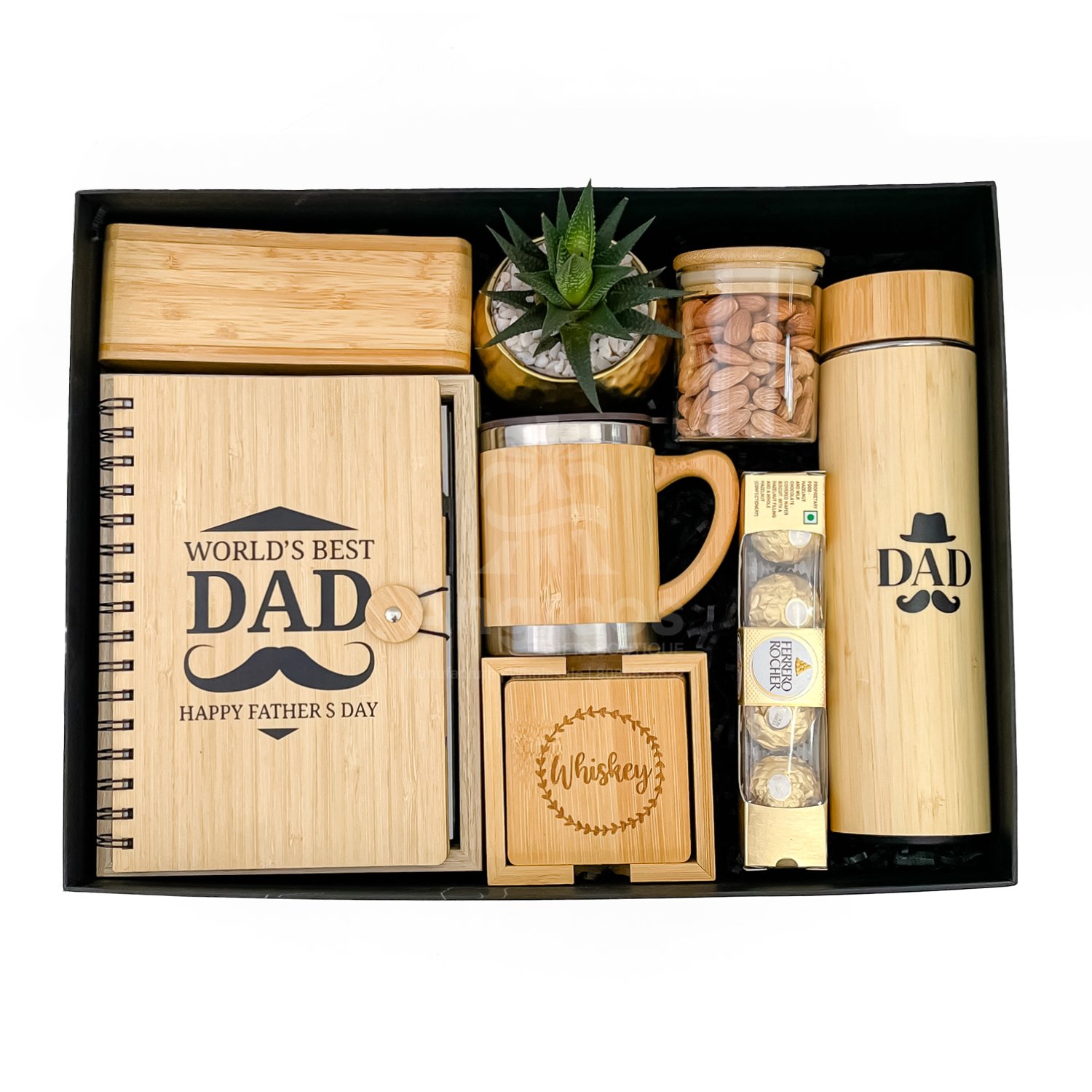
The Strategic Value of Custom Packaging in Modern Retail
Before diving into timelines, it’s vital to understand why custom packaging is not merely decoration; it is a strategic business tool. In today's saturated market, the unboxing experience is often the single most photographed moment—and thus, your best marketing asset. A generic box feels like every other box; a bespoke one tells a story.
Elevating the Unboxing Experience
Think of custom packaging as the theatrical curtain call for your product. When a customer receives an item encased in something unique to your brand, they don't just see a gift; they participate in your narrative. This tactile experience creates emotional value that far outweighs the cost of the box itself.
- Brand Storytelling: The box can feature custom maps, instructions on sustainable sourcing, or even historical notes about the product type.
- Perceived Value: A beautifully packaged item instantly feels more luxurious and high-end, allowing you to justify premium pricing.
Protecting Your Product's Integrity
Beyond aesthetics, professional packaging serves a critical function: protection. Shipping is rough business. Whether your items are delicate jewelry or fragile ceramics, the outer structure must be designed not just to look good on Instagram, but to survive multiple transfers and varied climates. A solid, correctly weighted box is insurance for your product's arrival condition.
Timing is Everything: Answering When Is the Best Time to Book Custom Gift Packaging?
If I could give you one piece of advice regarding time management in business, it would be this: never wait until the pressure is on. Treating packaging as an emergency fix rather than a planned element guarantees substandard results and immense stress. So, genuinely, when is the best time to book custom gift packaging so that everything runs like clockwork?
The Lead Time Myth: How Much Time Do You Really Need?
The biggest mistake brands make is underestimating the "true" lead time. People often calculate based on shipping time (e.g., 2 weeks), when in reality, they must account for the design, revision, and production phase first.
Designing custom packaging is not like ordering a t-shirt; it involves multiple specialized steps:
- Concept & Design: Initial sketches, material selection (cardboard weight, foil stamping types).
- Mockups & Prototypes: Creating physical samples for approval—this requires time and often multiple revisions.
- Printing & Manufacturing: This is where the printer or supplier does their magic. Complex printing techniques like embossing or spot UV can add significant time.
A general rule of thumb suggests allocating a minimum of 8 to 12 weeks from concept ideation to final delivery, especially if you are dealing with complex materials or novel shapes.
Seasonal Surges and Holiday Rush Planning
The timing must be adjusted based on your product cycle and market peaks. If you operate in seasonal markets—think holiday gifts, graduation presents, or Mother's Day items—your timeline needs to account for the "rush" period.
- Peak Season: Any time approaching a major gifting holiday (Q4 for Christmas, Q2 for Mother’s Day) should be treated as a 12-month lead time. Do not wait until October to start planning your December packaging!
- The Buffer Zone: Always build in an extra four weeks of buffer time into your timeline. Why? Because something always goes wrong—a color sample arrives slightly off, or the printer is unexpectedly delayed.
The Anecdote of the Last-Minute Box
I once worked with a small candle company that waited until Thanksgiving to finalize its holiday packaging. They were operating under the assumption that they could just "get it done." They received three different quotes for similar box sizes, each with conflicting lead times and minimum order quantities (MOQs). The sheer volume of communication—the back-and-forth between design firms, printers, and logistics coordinators—was exhausting. They ended up ordering a beautiful but overly complicated box that required specialized die-cutting, which added four extra weeks to their timeline, meaning they missed the most profitable two weeks of Christmas shopping entirely. It was a powerful reminder that planning is profit.
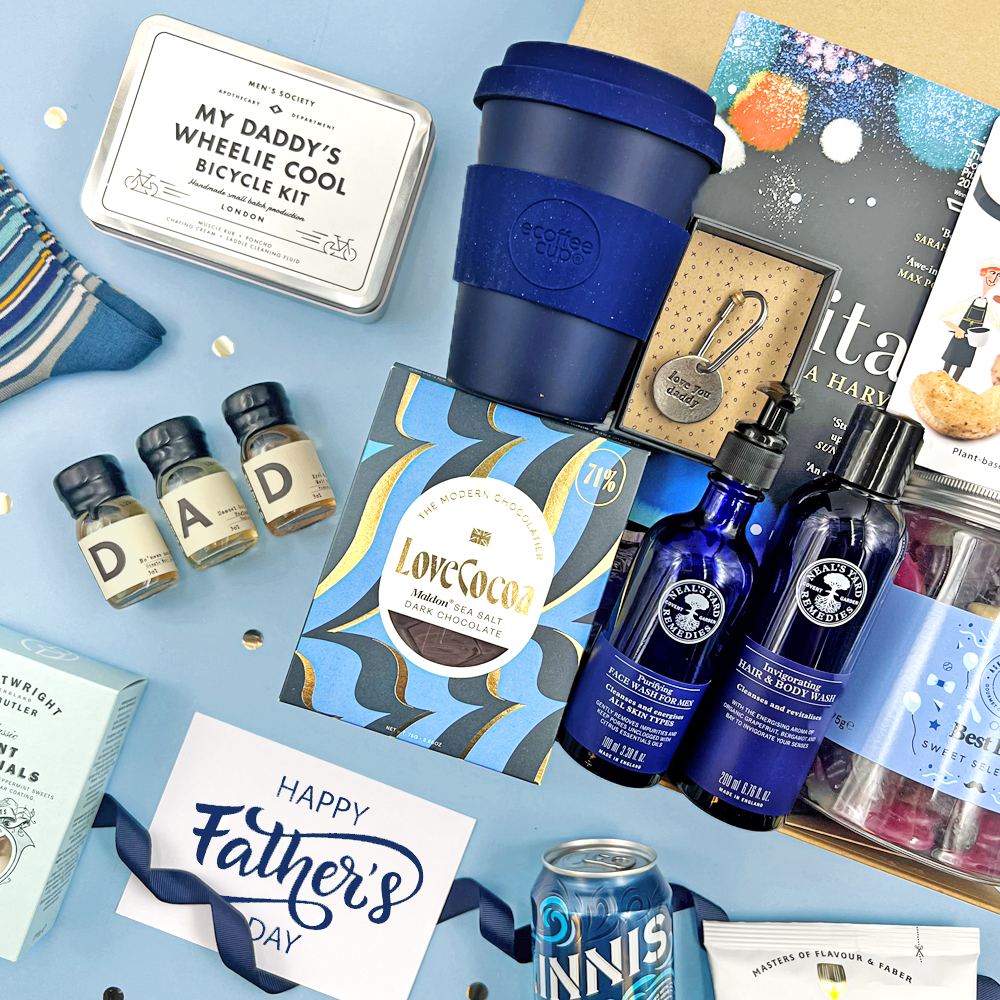
Optimizing Your Packaging Workflow for Success
Knowing when to start is half the battle; knowing how to manage the process is the other half. To ensure your packaging materials are perfect, consider these actionable steps.
Defining Your Brand Aesthetic and Constraints
Before speaking to a single vendor, you must treat this like an internal design sprint. Answer these questions:
- Who is the recipient? (The tone of the box should match the value perceived by the buyer.)
- What are your brand colors/materials? (Consistency across all touchpoints—website, product label, and box—is non-negotiable.)
- What is your budget per unit? (This single number dictates material choices and complexity. Can you afford foil stamping, or should you stick to elegant matte printing?)
As the marketing expert Seth Godin once advised, "The way you package something can be as important as what's inside." Embracing this philosophy means treating the packaging budget with the same seriousness as your inventory budget.
Considering Sustainability
In modern consumer markets, sustainable materials are often mandatory—not optional. When booking custom gift packaging, always prioritize eco-friendly options:
- Recycled kraft cardboard over virgin white board.
- Soy or vegetable-based inks instead of petroleum-based ones.
- Minimalist design that reduces material waste (the ultimate green gesture).
The question isn't just "when is the best time to book custom gift packaging?" but rather, how can I make sure my process is sustainable from Day 1? By thinking this way, you turn a logistical headache into an ethical selling point.
Designing for Delight: Making Your Selection Count
Ultimately, your custom packaging should feel like a natural extension of your brand's personality—it shouldn't shout; it should whisper quality and thoughtfulness. The goal is to create that 'wow' moment the customer anticipates when they tear open the seal.
The key takeaways are simple, but critical: Start early, budget for revisions, and prioritize experience over mere cost savings. By viewing custom packaging as a core part of your marketing mix—a strategic asset rather than an afterthought—you ensure that every gift you send leaves a lasting impression. What other aspects of the customer journey can you elevate next? Focusing on the initial unboxing moment is often where brands find their most profound connection with customers, building loyalty one beautifully boxed product at a time.